Exploring Workarounds For Outdated Printer Drivers And Dependencies On Linux
Introduction
Installing a printer driver on Linux can be a journey filled with unexpected challenges. Recently, I embarked on the task of setting up my old HP printer on my Linux system. Little did I know that this seemingly straightforward task would turn into a fascinating and frustrating adventure of troubleshooting and problem-solving.
The Initial Hurdle
My journey began with attempting to run the .run script provided by HP’s ancient software. However, I quickly encountered a roadblock - the script required a plugin that was nowhere to be found. Despite my efforts to locate it, the website link provided in the script was dead. Undeterred, I delved into open-source repositories and managed to track down the elusive plugin script from an alternative source.
The Dependency Dilemma
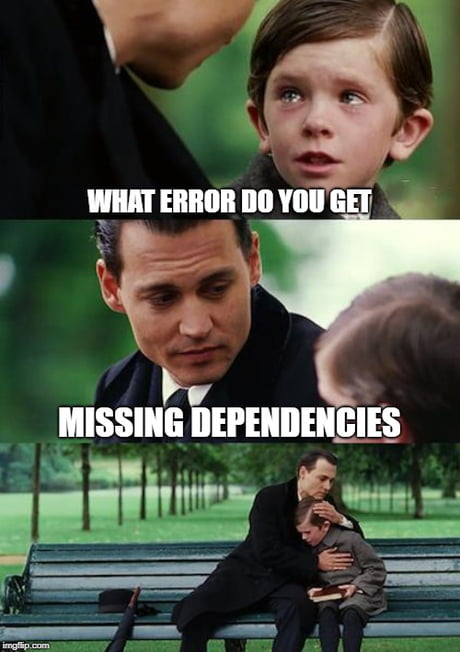
Just when I thought I had overcome the first hurdle, another obstacle emerged. The plugin script refused to work due to a missing old package that was no longer available in the official Linux repository. Determined to find a solution, I took matters into my own hands and manually installed the required .deb package. However, my optimism was short-lived as I discovered that the package depended on Python 2, which had been deprecated and was no longer officially supported.
The Triumph of Persistence
Despite the setbacks and frustrations, I refused to give up. With perseverance and resourcefulness, I navigated through the maze of dependencies and managed to successfully install the .deb package. Finally, with all the necessary components in place, I triumphantly installed the plugin script and the main HP script for my printer. It was a moment of victory after overcoming a series of challenges, reminiscent of the layers of complexity in the movie Inception.
The Significance of the Journey
Throughout this arduous journey, one thing became clear - my unwavering commitment to using Linux for all my computing needs. Despite the allure of the familiar Windows environment, I remained steadfast in my resolve not to succumb to the temptation of reverting to it simply to print a single page of my electricity bill. My love for Linux only deepened as I navigated through the intricacies of dependency management and software installation.
Conclusion
In conclusion, the process of installing an outdated printer driver on Linux proved to be an enlightening and enriching experience. It was a journey filled with challenges, frustrations, and ultimately, triumph. Through perseverance and determination, I was able to overcome each obstacle and emerge victorious. As I reflect on this experience, I am reminded of the resilience and adaptability of the Linux community and reaffirmed in my belief that Linux is indeed the platform of choice for those who dare to explore and innovate.